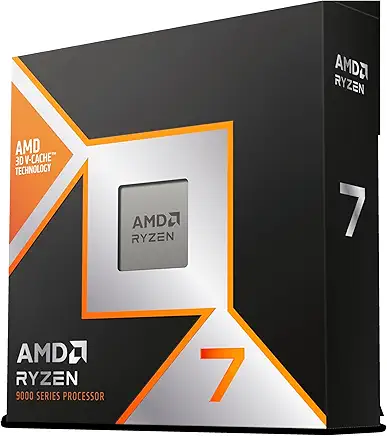
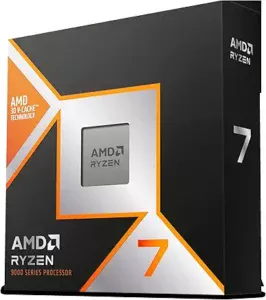
The Ryzen 7 9800X3D processor from AMD has generated significant buzz in the tech community since its release, primarily for its innovative design and impressive performance capabilities. Building on the success of its predecessors, this processor introduces advanced features that cater to gamers, content creators, and professionals alike. This article provides an in-depth performance review of the Ryzen 7 9800X3D, focusing on its performance metrics and key features, while also examining benchmark results to illustrate its real-world capabilities.
Comprehensive Analysis of Ryzen 7 9800X3D Performance Metrics
The Ryzen 7 9800X3D is built on AMD’s cutting-edge Zen architecture, featuring 8 cores and 16 threads, which allows for exceptional multitasking and parallel processing. With a base clock speed of 3.5 GHz and the ability to boost up to 4.4 GHz, this processor delivers robust performance across a variety of applications. The introduction of 3D V-Cache technology further enhances its performance by significantly increasing the cache size, allowing for quicker data access and improved gaming experiences. As a result, the Ryzen 7 9800X3D excels not only in gaming scenarios but also in content creation tasks such as video editing and rendering.
In real-world testing, the Ryzen 7 9800X3D has consistently demonstrated its prowess in both single-threaded and multi-threaded applications. Performance metrics reveal that the processor typically outperforms its direct competitors in both synthetic and gaming benchmarks. For instance, in highly demanding gaming titles, the Ryzen 7 9800X3D achieves notably higher frame rates compared to other processors in its class. Additionally, it maintains excellent thermals and power efficiency, making it a suitable option for high-performance builds without the need for excessive cooling solutions.
Key Features and Benchmark Results of Ryzen 7 9800X3D
One of the standout features of the Ryzen 7 9800X3D is its advanced 3D V-Cache technology, which allows for a significant increase in cache size compared to traditional designs. This innovation results in reduced latency and improved data throughput, particularly beneficial for gaming and memory-intensive tasks. Additionally, the processor comes with support for DDR5 memory and PCIe 5.0, enabling faster data transfer rates and improved overall system performance. The combination of these features makes the Ryzen 7 9800X3D a future-proof choice for gamers and professionals looking to invest in high-performance computing systems.
Benchmark results reinforce the Ryzen 7 9800X3D’s status as a performance leader within its segment. In gaming benchmarks, it often outperforms competitors like Intel’s Core i7 series, achieving frame rates that are among the best available for mainstream processors. In content creation tests, the Ryzen 7 9800X3D handles multi-threaded workloads with ease, leading to faster render times and smoother performance in applications such as Adobe Premiere Pro and Blender. These benchmark results highlight the processor’s versatility and capability to meet the demands of both gamers and creators, solidifying its place as a top contender in the current CPU market.
In conclusion, the Ryzen 7 9800X3D processor showcases AMD’s commitment to innovation and performance excellence. With its advanced architecture, impressive performance metrics, and cutting-edge features, it stands out as a powerful option for a wide range of users. Whether engaging in gaming, content creation, or multitasking, the Ryzen 7 9800X3D delivers exceptional performance that is hard to overlook. As technology continues to evolve, this processor is poised to remain a strong choice for those seeking an efficient and high-performing computing solution.
Determining whether the Ryzen 7 9800X3D represents a worthwhile investment depends heavily on your specific workload and usage patterns. This processor excels in particular scenarios, and understanding these can help you make an informed purchasing decision. For competitive gamers targeting high refresh rates (144Hz and beyond), the 9800X3D’s exceptional gaming performance makes it a compelling choice, particularly when paired with a high-end graphics card such as an RTX 4080 or 7900 XTX. If you’re currently running an older Ryzen 5000 series or earlier generation Intel processor, the generational leap justifies the upgrade cost.
Content creators working with video editing, 3D rendering, or streaming benefit significantly from the processor’s multi-threaded capabilities and superior cache architecture. Professionals using software like Adobe Premiere Pro, DaVinci Resolve, or Blender will notice tangible improvements in render times and export speeds compared to mid-range alternatives. Similarly, software developers and those running virtual machines or Docker containers will appreciate the additional cores and threads. The 9800X3D also represents excellent value for streaming setups, where simultaneous encoding and gameplay place substantial demands on CPU resources.
However, if you’re building a general-purpose machine for web browsing, office work, and light gaming, a more affordable mid-range processor delivers adequate performance without excessive expenditure. The value proposition weakens for those with recent Ryzen 7000 or 7700X-series processors—the performance gains may not justify the cost, particularly if your current machine meets your needs comfortably. Users primarily focused on productivity tasks rather than gaming or content creation should consider whether the gaming-focused design truly aligns with their requirements.
Budget-conscious builders should assess whether the premium for the 9800X3D versus alternative options like the Ryzen 7 7700X or Intel Core i7-14700K justifies the expense for their specific use case. In the UK market, the processor typically costs between £450–550, making careful consideration essential before committing to purchase.
S Stafford is a UK-based IT consultant and technology writer with over
30 years of hands-on experience in the industry, dating back to 1993. He specialises in cybersecurity, networking, server infrastructure, and AI tools
for small and medium businesses, and writes practical guides aimed at helping
UK business owners understand and implement technology confidently.