The Intel Core i9-14900K processor is one of the latest offerings from Intel, designed for high-performance computing needs. As the flagship model of Intel’s 14th generation, it boasts significant enhancements over its predecessors, making it a compelling choice for enthusiasts, gamers, and professionals who demand top-tier performance. This comprehensive review delves into the performance characteristics and features of the i9-14900K, followed by a comparison with its closest competitors in the market.
In-Depth Analysis of Performance and Features of the i9-14900K

The Intel Core i9-14900K is built on the advanced Intel 7 process technology, allowing it to achieve impressive clock speeds and efficiency. With a base clock speed of 3.2 GHz and the ability to turbo boost up to 5.8 GHz, this processor excels in single-threaded performance, making it ideal for tasks that require quick processing times, such as gaming and productivity applications. Additionally, it features 24 cores (8 performance cores and 16 efficiency cores) and 32 threads, enabling it to handle multi-threaded workloads with ease. This combination of hardware enhances its capability to run demanding applications, from 3D rendering to video editing, without breaking a sweat.
Another notable feature of the i9-14900K is its support for DDR5 memory and PCIe 5.0, which provides faster data transfer rates and better bandwidth for high-performance components like GPUs and SSDs. The enhanced thermal design also ensures that the processor can maintain optimal performance even under heavy load, with advanced cooling solutions becoming a necessity for enthusiasts. Moreover, the i9-14900K includes Intel’s suite of features such as Intel Turbo Boost Technology, Intel Thermal Velocity Boost, and improvements in integrated graphics, which further elevate the user experience in gaming and content creation.
Comparing the Intel Core i9-14900K with Its Competitors
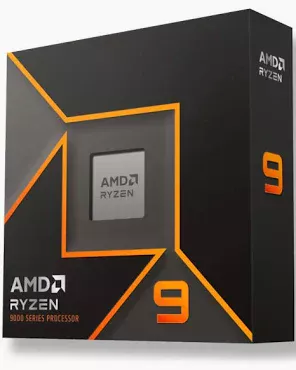
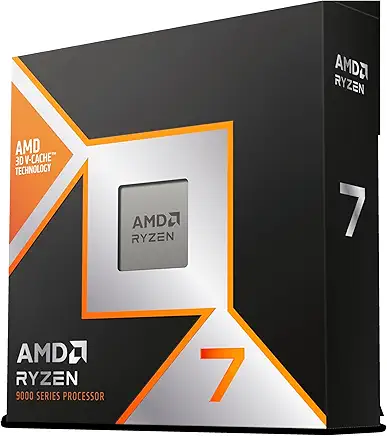
When placed alongside competitors like AMD’s Ryzen 9 7950X3D, the Intel Core i9-14900K holds its ground with remarkable performance benchmarks. While the Ryzen 9 offers greater efficiency in multi-threaded scenarios due to its innovative 3D V-Cache technology, the i9-14900K often outperforms in single-threaded tasks, making it a preferred choice for gamers who seek high frame rates. Additionally, Intel’s architecture allows for better compatibility with a broader array of applications, particularly those optimized for Intel processors, which adds to its appeal for consumers who utilize diverse software packages.
In the realm of pricing, the i9-14900K sits in a competitive segment that reflects its high-end capabilities. While AMD’s offerings may provide slightly better value for multi-threaded tasks at equivalent price points, Intel’s strong focus on gaming performance and feature-rich design justifies its premium for many users. Ultimately, the choice between these two heavyweight contenders largely depends on the user’s specific needs—be it gaming prowess or multi-threaded performance—and the accompanying hardware infrastructure that supports either platform.
In conclusion, the Intel Core i9-14900K processor is a formidable contender in the high-performance computing market, showcasing significant improvements in both performance and features over its predecessors. With its strong single-threaded performance, support for cutting-edge technologies, and robust architecture, it is well-suited for gamers and professionals alike. However, potential buyers should consider their specific needs and evaluate how the i9-14900K stacks up against strong competitors like AMD’s Ryzen series. Overall, the i9-14900K represents a powerful option for those looking to push the boundaries of computing performance.

For information on Intel Core i7-14700K or Ryzen 7 9800X3D Processor Review
Related Posts
- Microsoft’s Quantum Chip Breakthrough
- What Makes the Intel Core i7-14700K Special?
- The Truth About the Ryzen 7 9800X3D
- Ryzen 9 9950X Review: Ruthless Precision, Ultimate Power
- Best Thermal Paste Review – ARCTIC MX-4
Who Should Upgrade to the i9-14900K?
Whilst the i9-14900K offers impressive performance, it’s not the right choice for everyone. Understanding your use case will help determine whether an upgrade justifies the substantial expense.
Content creators and professionals working with video editing, 3D rendering, or visual effects production will find genuine value in the i9-14900K’s multi-threaded performance. If you regularly work with 4K video timelines or complex 3D models, the upgrade from a previous generation processor can reduce render times significantly, directly improving productivity and project turnaround times.
High-end gamers targeting 4K maximum settings or competitive esports players chasing 240+ frame rates will benefit from the processor’s exceptional single-threaded performance and fast turbo boost. However, if you game at 1440p or lower, a mid-range processor delivers nearly identical frame rates for considerably less outlay.
The i9-14900K is excessive for casual users, office work, web browsing, and light gaming. If your current system is a Ryzen 7, an Intel i7 from the last two generations, or older, the performance uplift for everyday tasks will be negligible. The £500-600 processor cost is better invested in a larger SSD, additional RAM, or a quality monitor.
Budget-conscious builders should consider AMD’s Ryzen 7 7700X or 7800X3D. Whilst marginally less powerful in some workloads, these processors cost £100-150 less and deliver excellent real-world performance for most users.
Consider also the complete system cost. Beyond the processor itself, you’ll require a premium motherboard (£300-500), quality cooling (£80-150), and an 850W+ power supply (£120-250). These additional costs can easily push a total system upgrade to £1,500-2,000.
Finally, upgrade when your existing system becomes a demonstrable bottleneck, not simply because newer hardware exists. The i9-14900K represents today’s peak performance, but more efficient successors will inevitably arrive. Premature upgrading wastes money that could fund future improvements when genuine performance limitations emerge.