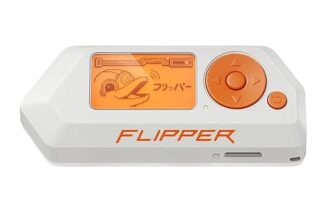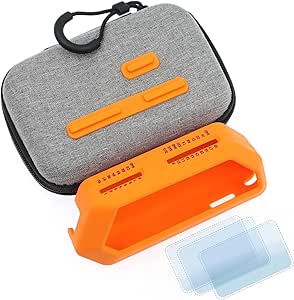
Flipper Zero Case, The Flipper Zero is one of the most powerful, fun, and customisable cyber-multitools on the market—but it’s also surprisingly easy to damage if you’re not protecting it properly.
If you’ve invested in a Flipper, a protective case isn’t optional… it’s essential.
Here’s why every owner needs one:
1. The Screen Is Easy to Scratch
The LCD on the Flipper looks great, but it’s not designed for drops, keys, coins, or pocket wear.
A case adds a raised barrier that stops accidental damage.
2. Protects the Body From Cracks & Drops
The Flipper Zero’s plastic shell is durable but not indestructible.
One fall onto concrete or a workshop floor can:
- Crack the outer shell
- Damage internal connectors
- Cause button failure
A rubberised or hard-shell case absorbs the impact, not your device.
3. Stops Dust, Dirt & Liquid From Getting Inside
Flipper Zero owners take their device everywhere—work sites, server rooms, cars, outdoors.
Cases help block:
- Dust & metal shavings
- Moisture
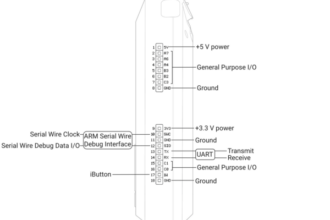
- Tiny debris that can get into the GPIO pins or USB port
This massively increases the lifespan of the device.
4. Makes It Easier to Carry
A case with a belt clip, carabiner or lanyard prevents pocket damage and makes sure it’s always ready to use.
Great if you use your Flipper Zero for:
- Pen-testing
- RFID scanning
- Car key testing
- Daily tinkering
5. Customisation – Make Your Flipper Your Own
Cases come in different styles:
- Transparent
- Rugged military-style
- Soft silicone
- Hard EVA zip cases
- Waterproof cases
A case lets you match your Flipper to your style or work environment.
6. Protects Your Investment
Flipper Zero isn’t cheap. A case usually costs £10–£20, but prevents £200+ worth of damage.
If you plan to use the device long-term, a case pays for itself instantly.
7. Extra Storage for Add-Ons
Many cases include room for:
- WiFi Dev Board
- MicroSD cards
- USB cables
- GPIO modules
- BadUSB devices
This keeps your entire Flipper setup organised and protected.
The Bottom Line: Don’t Carry Your Flipper Naked
A protective case is the number one accessory you should buy for your Flipper Zero.
It boosts durability, makes it easier to carry, and protects your investment from damage that isn’t cheap to repair.
Related Posts
- Flipper Zero – Complete Overview
- Flipper Zero Step-by-Step Guide (2026)
- Flipper Zero Expansion Board Full Review – Do You Need One?
- Flipper Zero GPS Module Receiver – A Simple Review
- Is the Flipper Zero WiFi Devboard Worth It?
- Flipper Zero App Hub 2026 – Best New Apps Worth Installing
Choosing the Right Case Type for Your Needs
Knowing that you need a case is one thing—picking the right one is another. Not every case suits every situation, and the best choice depends on how you actually use your Flipper Zero.
Transparent cases are ideal if you want to show off your Flipper’s design whilst keeping it protected. They offer basic scratch and dust protection but less impact resistance than rubberised options. Choose this if you’re mainly working indoors and want to see your device in action.
Silicone cases provide a middle ground: light, flexible, and shock-absorbing. They’re great for daily carry and pocket use because they’re comfortable and slim. The trade-off is that they offer less structural protection than hard cases, and they can attract dust due to static. Pick silicone if portability matters more than extreme durability.
Hard EVA zip cases are the workhorse choice for field work. If you’re using your Flipper on building sites, in server rooms, or anywhere rough and dusty, a rigid EVA case with a zip compartment protects against serious drops and keeps moisture out. You’ll sacrifice convenient one-handed access, but your device stays safer in chaotic environments.
Waterproof cases are essential if you’re near water—boat testing, outdoor penetration testing, or wet locations. Standard cases aren’t waterproof, so if your work involves splashes or submersion, this is non-negotiable. These typically cost more but are worth the investment if water exposure is a real risk.
Leather or neoprene sleeves work well for professionals who want a sleek, business-appropriate look. They protect against scratches and minor impacts but aren’t ideal for rough handling or dusty environments. Good for office-based security testing and policy work.
The rule of thumb: match the case to the risk environment. Office work? Transparent or silicone. Field work? EVA or waterproof. Harsh environments with heavy machinery? Rugged hard-shell cases. Many experienced users own two or three cases for different scenarios—swap them based on where you’re heading that day.
What to Look For in a Quality Flipper Zero Case
Buying any case isn’t enough—you need one that will actually protect your device and stand up to regular use. Here’s what separates a good case from a cheap one that’ll fall apart after a few months.
Material quality matters most. Rubberised cases should feel substantial and not sticky after a few weeks. EVA cases need firm, closed-cell foam that won’t compress easily. Avoid cases with thin plastic shells or flimsy stitching. Press down on the material—it should spring back quickly, not stay dented. A quality case typically weighs more than you’d expect, which is actually a good sign of durability.
Check port and button accessibility. Your case shouldn’t force you to remove your Flipper just to charge it or access the buttons. Look for generous cutouts around the USB port, screen, and GPIO connector. Test cases in person if possible—many cheap options have misaligned openings that require wrestling the device in and out. The buttons should click clearly through the case material without excessive resistance.
Examine the seams and joints. Running your finger along seams will reveal loose threads, weak gluing, or gaps. Reinforced stitching on fabric-lined cases is essential for long-term durability. Corner protection is where cheap cases fail first—corners take the brunt of impacts, so ensure they’re properly padded or reinforced.
Fitment must be precise. The case shouldn’t rattle or allow your Flipper to shift inside. Too-loose cases defeat the purpose of protection. Too-tight cases can stress the device and make it genuinely difficult to insert or remove. A well-fitting case holds your Flipper snugly without excessive force.
Consider the warranty. Quality manufacturers offer 12+ month warranties against manufacturing defects. If a case seller offers no warranty or very brief coverage, that’s a red flag that they don’t stand behind their product’s durability.